SILT
SnapbreakAdventure
4.6399.00 Reviews
- Version
- 1.0.10
- Installs
- 1.00M
- Age Rating
- Teen
Screenshots

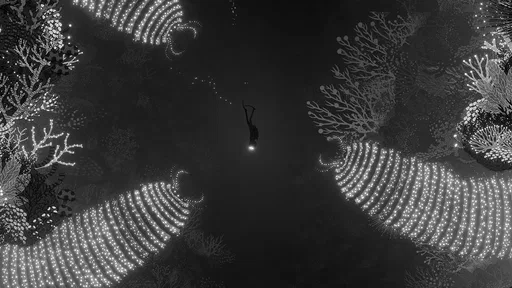
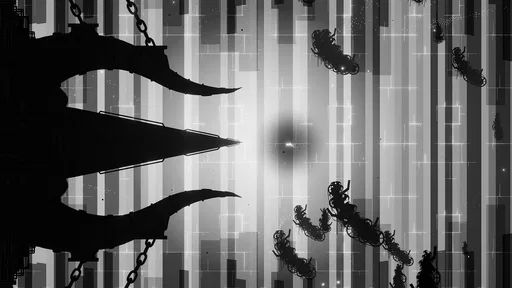
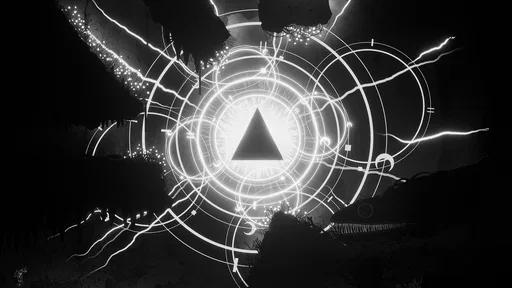
Our Review of SILT
 Analysis by Appyee
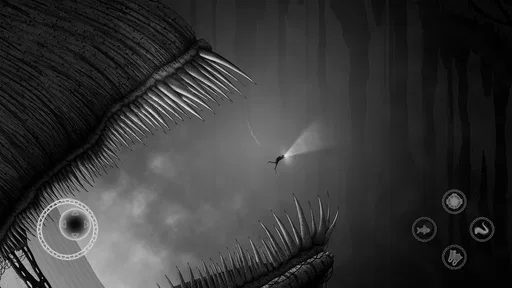
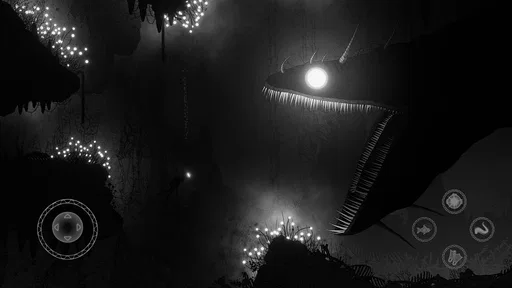
SILT is an adventure game from Snapbreak that places me in a strange underwater world where exploration, danger, and puzzle solving are tied together. Rather than presenting a bright ocean tour, it creates a surreal abyss with a much heavier mood. I move through unfamiliar spaces, observe creatures, and use possession as the central way to interact with problems. That single idea gives the game an identity of its own: progress depends less on collecting equipment and more on understanding what each creature can help me do.
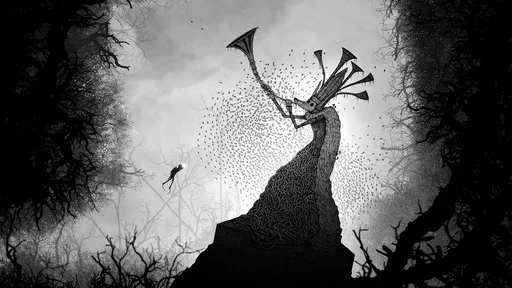
My first impression was that this is a game built around atmosphere before explanation. The ocean feels mysterious instead of welcoming, and the visual language encourages me to look closely at movement, silhouettes, and environmental details. It is the kind of experience I would recommend to someone who enjoys unusual worlds and quiet discovery more than constant combat or a long stream of dialogue. If you want a straightforward action adventure with obvious objectives, this may feel deliberately distant. If you like solving problems by experimenting, its strange setting becomes a real advantage.
How the abyss turns observation into progress
The main appeal is the relationship between the player and the creatures in the environment. Possession is not just a decorative trick; it changes how I approach a puzzle. Instead of asking only which switch to press, I have to consider which living thing might be useful, what its movement allows, and how the surrounding space responds. That makes the environment feel like a collection of connected problems rather than a sequence of isolated locks.
This design also creates a useful rhythm. I can spend a moment simply watching an area, identifying movement patterns and possible routes, then test an idea. When that idea works, the reward is not merely reaching the next screen. It is understanding why the creature and the environment fit together. That kind of satisfaction is very different from earning a stronger weapon or opening a chest, and it is one of the reasons the game feels more thoughtful than a typical pick-up-and-play adventure.
I found it helpful to treat every new creature as a temporary tool with a specific purpose. Rushing past it can make a later puzzle seem confusing, while pausing to notice its behavior often reveals the intended relationship. This is one of the more valuable habits to develop: observe first, possess second, and only then commit to a route. It reduces random trial and error without removing the pleasure of discovery.
The underwater theme supports that approach well. The abyss is not simply a background for puzzles; it affects how I read the screen. Darkness, unusual forms, and limited familiarity make ordinary objects harder to interpret at first. That can be frustrating when I want immediate clarity, but it also makes small discoveries feel important. A creature that might look like scenery in another game can become the key to moving forward here.
There is a trade-off in this style. The game’s mood asks me to slow down, and players who prefer constant rewards may find the pace restrained. I would not choose it for a quick competitive session or for the kind of adventure where every few seconds produce a new upgrade. Its strongest moments come when I give the environment enough attention to form a theory, test it, and adjust after failure.
What progress feels like in everyday play
A realistic use case is a short evening session after work or study, when I want something absorbing without committing to a social match. I can enter the abyss, focus on one puzzle or area, and stop after reaching a natural pause. The game’s appeal in that situation is concentration: it gives me a small mental problem to work through while the atmosphere creates a clear break from ordinary apps and notifications.
That same structure may not suit someone looking for a game to play while distracted. The clues are tied to the environment, so checking messages or playing with sound and attention divided can make the experience less enjoyable. I would also skip it if my main goal is fast progression through familiar adventure conventions. The game asks me to interpret rather than simply follow instructions.
One practical tip is to avoid assuming that the nearest creature is automatically the correct answer. The most visible option may only help me understand the space, while another creature or route may solve the actual obstacle. I also try to revisit an area mentally after learning something new. A puzzle that seemed decorative earlier can become meaningful once I understand how possession works in a different context.
Pressure comes from uncertainty, not from spending
The tension in SILT comes from the abyss itself and from the possibility of misunderstanding a situation. I feel pressure when I am unsure whether I am reading a creature correctly, choosing the right path, or approaching a puzzle in the intended way. That is a more restrained kind of pressure than a timer or a competitive leaderboard, but it can still make a successful solution feel earned.
This matters when considering the game’s free price. I can start without paying, which makes it easy to test whether the slow, surreal puzzle style suits me. I would not approach it expecting the same loop as a free-to-play action title built around repeated matches, daily rewards, or aggressive progression. Its value is in the focused adventure experience, not in keeping me busy with a large collection of unrelated activities.
From my experience of the product presentation and play style, the important spending question is not whether I can gain an advantage over another player. This is a solitary adventure, so the meaningful test is whether the free entry gives me a fair chance to understand and enjoy its core idea. I found that the possession mechanic is presented as the substance of the game rather than as a bonus locked behind a separate competitive system. That makes the experience feel conceptually fair to someone deciding whether to try it.
Still, free does not automatically mean frictionless. The game may demand patience, attention, and willingness to experiment, and those are costs in time even when there is no purchase involved. A player who dislikes repeating an approach after a mistaken interpretation may feel that the game is asking too much. For me, that pressure is acceptable because it belongs to the puzzle design, but it is worth recognizing before installing it.
The Teen content rating is another useful signal for choosing the right audience. I would be comfortable recommending it to older teenagers and adults who enjoy unsettling fantasy environments, but I would not describe the tone as a cheerful family adventure. The ocean abyss setting and surreal presentation are central to its identity. Anyone sensitive to darker or eerie imagery should consider that mood before treating the free price as an automatic reason to download.
Fairness compared with familiar adventure alternatives
Compared with a conventional platform adventure, SILT gives me fewer obvious tools and more interpretive responsibility. In a typical alternative, I might learn a jump, weapon, or ability and then use it repeatedly in clearly marked situations. Here, the question is often about reading the relationship between a creature and a space. That can feel more original, but it also means the game is less immediately transparent.
Compared with a large exploration game, its strength is focus. I am not entering a broad checklist of side activities or a world designed around constant collection. The abyss is more concentrated, and the possession mechanic keeps the attention on problem solving. The trade-off is variety in the usual sense: anyone wanting crafting, character builds, open-ended travel, or a large social layer should look elsewhere.
It also differs from competitive mobile games in an important way. There is no reason for me to think of progression as a contest against players with more time or money. My success depends on understanding the situation in front of me. That makes it a better fit for someone who wants a private puzzle adventure and a poor fit for someone who measures enjoyment through rankings, rapid matches, or constant unlocks.
Snapbreak’s involvement is relevant because the game feels like a deliberately authored experience rather than a generic ocean-themed template. The setting, creature interaction, and puzzle structure point in the same direction. I appreciate that coherence. At the same time, a focused design leaves less room for players who need broad customization or multiple ways to approach every obstacle.
Questions I would ask before installing
Will it run on an older device? The listed minimum is Android 8.0, so anyone using a phone or tablet below that system level should not plan around this release. On a compatible device, I would still keep expectations realistic: the experience is built around visual atmosphere and careful observation, so a larger screen may make environmental details easier to read than a very small one.
Is it suitable for a quick break? Yes, if I am happy to stop after a small piece of progress, but it is not ideal for distracted tapping. The puzzles benefit from attention, and the surreal presentation works best when I let myself settle into it. I would choose it for a quiet commute or evening pause, not for a moment when I need instant action between other tasks.
Does it require spending to be worthwhile? It is free to start, and the central appeal is the adventure itself rather than a competitive advantage. That makes it reasonable to try without treating the download as a financial commitment. I would judge it by whether the atmosphere and possession puzzles hold my attention, not by expecting the reward structure of a larger free-to-play service.
How much guidance should I expect? I would go in ready to experiment. The store summary identifies the ocean abyss, creatures, and puzzles, but the enjoyment comes from working out how those elements connect. Players who need explicit instructions at every stage may find the experience less comfortable than a heavily guided alternative.
Is it popular enough to feel established? The game has a 4.6 average from around 22 thousand ratings and has passed over 1 million installs, which suggests that many players have given it a chance. It also has around 399 written reviews, while the current release is version 1.0.10. Those figures are useful context, but they do not replace personal fit: a well-liked atmospheric puzzle game can still be wrong for someone who wants speed, combat, or multiplayer competition.
What remains important to verify personally
My trust in the game comes from the clarity of its central concept and from the fact that the free entry lets me evaluate that concept directly. I do not need to imagine a complicated spending strategy to understand why someone might enjoy it. The key unknown for each player is more personal: will the slow pace, eerie ocean setting, and creature-based problem solving create curiosity or impatience?
I would also pay attention to how comfortable I feel with the game’s visual communication during the first session. Some players quickly recognize the intended interactions, while others may need more time to distinguish background detail from a useful clue. That is not necessarily a flaw, but it changes the experience. If I repeatedly feel lost without enjoying the process of testing ideas, a clearer adventure game would be the better choice.
Another point of trust is fairness of attention. The game does not need to pretend to be everything at once. It has a narrow promise: take me into a surreal abyss and make creatures part of the solution. When a game stays close to its main idea, I can judge it honestly. SILT works best when I accept that promise instead of expecting a conventional action adventure with a different skin.
My verdict on this free underwater adventure
SILT is a distinctive choice for Android players who want an atmospheric adventure centered on observation and puzzle solving. I like the way possession turns creatures into part of the environment’s logic, and I appreciate that progress comes from understanding rather than competing or spending for an edge. The free price makes trying that idea straightforward, while the Teen rating and dark abyss setting help set the right expectations.
I would recommend it to thoughtful puzzle fans, players who enjoy surreal worlds, and anyone looking for a quiet alternative to match-based mobile games. I would skip it if I need rapid action, extensive customization, cheerful presentation, or a social progression system. Its limitations are closely connected to its strengths: the mood can feel slow, and the puzzles ask for patience, but that focus is exactly what gives the game its personality.
After playing, my advice is simple: give it a focused first session, watch the creatures before experimenting, and do not judge it by the standards of a conventional free-to-play adventure. If the abyss makes you curious, the game has a strong chance of rewarding that curiosity. If its uncertainty feels like unnecessary friction, there are more direct alternatives. For me, it earns a recommendation because it offers a coherent, unusual experience without turning its central idea into a competition over who spends more.
Verdict
Strengths of SILT
- Surreal underwater art direction creates a memorable visual experience.
- Exploration rewards curiosity with hidden paths and environmental details.
- Simple controls make the game approachable on mobile devices.
- Atmospheric sound design strengthens the feeling of isolation.
- Shorter campaign suits players looking for a focused adventure.
Limitations of SILT
- Dark visuals can make some areas difficult to read on small screens.
- Movement may feel slow for players expecting fast-paced action.
- Limited guidance can leave objectives unclear at times.
- The unsettling atmosphere may not appeal to every player.
- Replay value is modest once the main journey is completed.
Other Releases by Snapbreak
View All
Among the Sleep
Adventure4.6
Similar Picks in This Category
View All
Roblox
Roblox Corporation4.2

Pokémon GO
Niantic, Inc.3.5

Ninja warrior: legend of adven
TOH Games4.6

Ninja Arashi
Black Panther4.6

Eyes - The Horror Game
Fearless Games sp. j.4.5

Critical Action:Gun Strike Ops
FPS Shooter & Action Game4.3
Frequently Asked Questions
What is SILT, and what kind of game is it?
SILT is a surreal underwater puzzle-adventure game focused on exploration, atmosphere, and environmental problem-solving. You play as a diver traveling through a mysterious monochrome ocean filled with strange creatures, dangerous machinery, and unsettling ruins. Instead of relying on traditional combat, the game emphasizes observation, timing, and the ability to possess certain sea creatures to overcome obstacles and progress through its haunting world.
How does the gameplay and creature-possession mechanic work in SILT?
The main gameplay feature in SILT is the diver’s ability to connect with and control different underwater creatures. Each creature has unique abilities that can help solve environmental puzzles, activate mechanisms, or survive dangerous situations. Progress requires experimenting with these abilities and understanding how creatures interact with the environment. The controls are generally straightforward, but some sequences demand careful timing and patience.
Is SILT suitable for players who do not usually play difficult puzzle games?
SILT can be enjoyed by players with limited experience in puzzle-adventure games because its controls and objectives are introduced gradually. However, several puzzles and chase sequences may require repeated attempts, especially when the correct creature ability or timing is not immediately obvious. The game is more atmospheric than mechanically complex, but players should still expect moments that test observation, coordination, and persistence.
Does SILT contain frightening or disturbing content?
Although SILT is not a conventional horror game, its underwater setting can feel tense and disturbing. The game features eerie creatures, dark environments, unsettling imagery, perilous encounters, and a generally oppressive atmosphere. There is limited traditional dialogue, so much of the mood comes from visual design, sound, and unexpected movement in the darkness. Players sensitive to suspense or disturbing aquatic imagery may want to consider this before downloading.
What devices and performance should I expect when playing SILT?
Before downloading SILT, check the current store listing for supported Android or iOS versions, because compatibility and requirements can vary by device and operating-system update. On supported hardware, the game’s stylized black-and-white presentation is designed to run smoothly, but older or entry-level phones may experience reduced performance, longer loading times, or control limitations. Sufficient free storage and updated system software are also recommended.
Play our best games!


